
In the bustling boardrooms of Mumbai and the high-tech corridors of Bengaluru, a quiet but powerful shift is taking place. For decades, Indian enterprises viewed innovation as a "creative luxury", something reserved for Silicon Valley giants or niche design boutiques. However, the tide has turned. Today, leadership teams across the country are realising that sustainable growth isn't just about having the latest technology; it's about solving the right problems for the right people. This realisation has brought a specific methodology to the forefront of business strategy: the New Product Discovery and Design process.
Innovation is no longer a cost center; when executed correctly, it becomes the most reliable revenue engine an organisation possesses. But how do you bridge the gap between a "good idea" and a "profitable product"? The answer lies in moving away from assumptions and toward a structured, empathy-led framework that prioritises human needs over system constraints.
Why New Product Discovery and Design is the Secret Weapon of High-Growth Firms
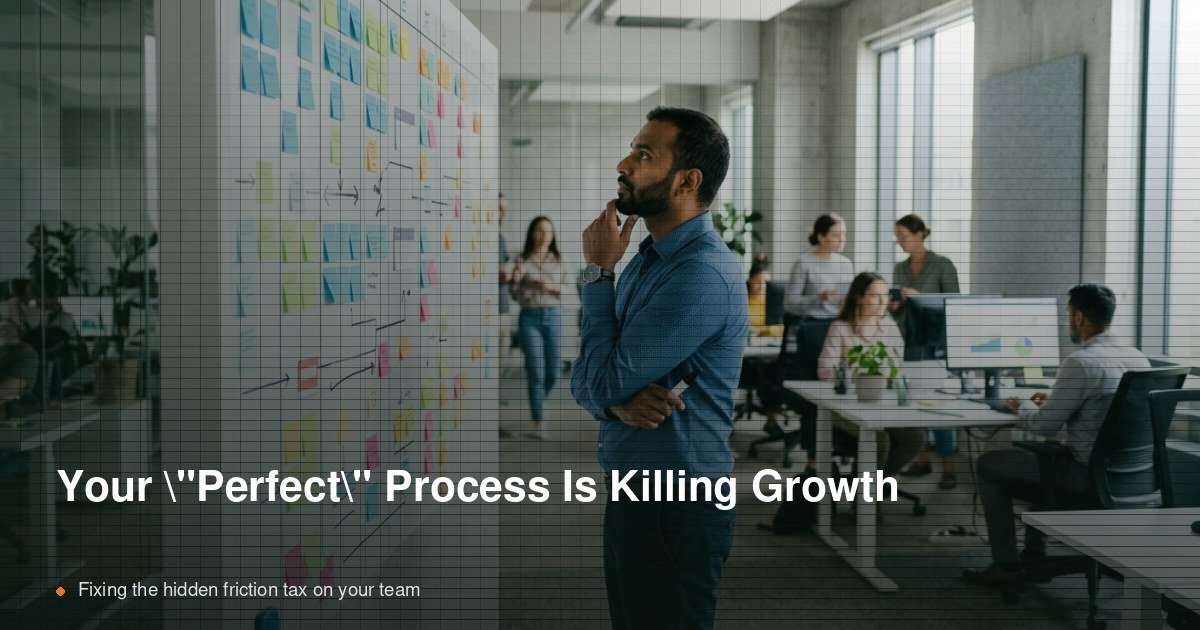
Let's be honest: most new products fail. They fail not because the technology was poor or the marketing budget was small, but because they solved a problem that nobody actually had. This is where New Product Discovery and Design acts as a strategic filter. Instead of jumping straight into development, this process forces teams to pause and ask: "Are we building the right thing?" before they ask "Can we build it right?".
In the Indian context, where market diversity is vast and consumer behaviour changes every hundred kilometres, the discovery phase is critical. Whether you are a legacy financial institution or a global snacking leader, the ability to uncover "unmet needs" is what separates market leaders from also-rans. By integrating design thinking with agile experimentation, businesses can reduce the risk of failure and ensure that every rupee spent on R&D is aligned with a validated customer pain point.
Breaking Down the New Product Discovery and Design Framework
To achieve measurable impact, the process must be more than just a series of workshops. It is a rigorous journey that involves several key stages:
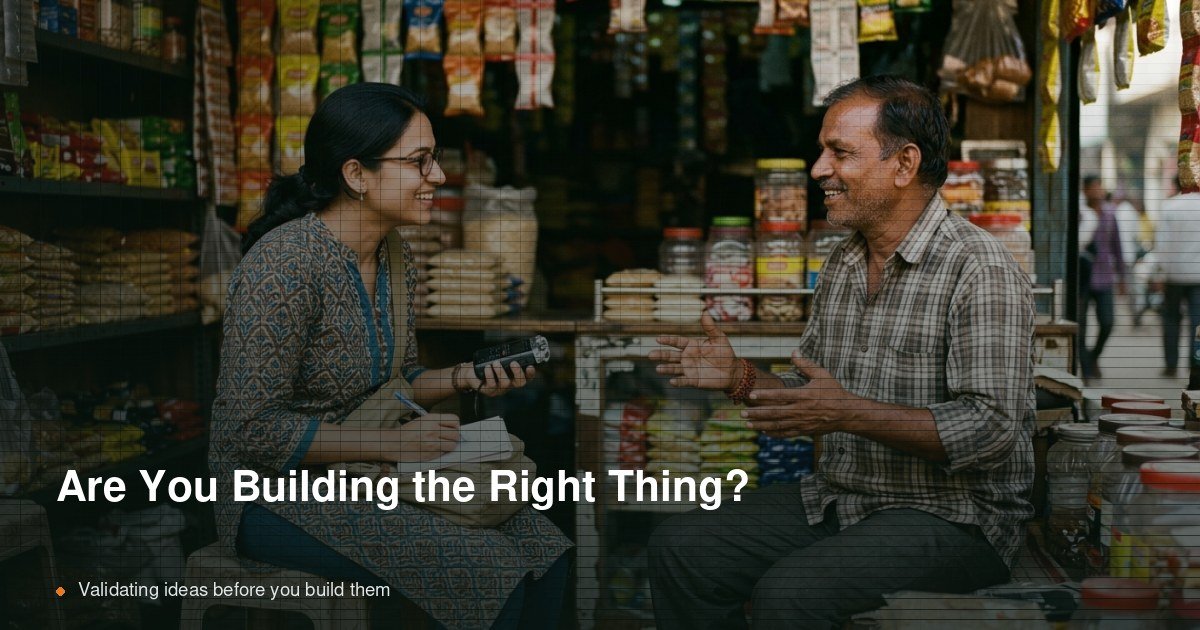
- Deep Empathy & User Research: This isn't about reading market reports. It's about being on the ground. For a recent project with a payment enabler, this meant travelling to rural areas to understand why people with high technology access still preferred assisted financial services. Empathy allows you to see the "friction points" that data alone might miss.
- Problem Reframing: Often, what a client thinks is the problem is merely a symptom. New Product Discovery and Design helps in peeling back the layers. For instance, a firm might think they need a "faster app," when the real issue is a "lack of trust" in digital transactions.
- Rapid Prototyping & Iteration: Instead of building a full-scale product, teams create low-fidelity prototypes to test core assumptions. This "fail fast, learn faster" mentality is crucial for maintaining agility in a fast-moving market.
- Cross-Functional Collaboration: Innovation cannot happen in a silo. The most successful discovery journeys involve core groups of 5–8 members from R&D, Manufacturing, Marketing, Supply Chain, and Technology. This ensures that the final design is not only desirable for the user but also technically feasible and commercially viable.
Real-World Impacts of New Product Discovery and Design
To truly understand the value of this process, we must look at how it transforms business outcomes across different sectors.
Case Study 1: Revolutionising Fintech through Rural Empathy
Consider a leading Indian umbrella organisation for retail payments. Despite building world-class platforms, they faced a challenge: large segments of the population in rural and semi-urban areas remained hesitant to use digital tools due to limited literacy and trust barriers.
By implementing a 24-week New Product Discovery and Design program, the team moved from 93 raw ideas to 3 high-impact Proof of Concepts (POCs). They didn't just add more "tech"; they redesigned the human journey.
- The Result: The impact was staggering. There was a growth of 23.1 lakh in transaction volumes and a ₹1.23 crore increase in switching fee earnings. By focusing on "human journeys" instead of "system constraints," the organization turned a social challenge into a massive revenue driver.
Case Study 2: Reimagining Customer Acquisition in Stock Broking
A full-service Indian brokerage firm found itself losing ground to "new-age" digital discount brokers. Experienced traders were migrating for lower costs, and new investors felt overwhelmed by the complexity of traditional platforms.
Through a structured discovery process, they identified that "transparency" and "ease of onboarding" were higher priorities for new-to-category customers than just low fees. They designed a digital-first acquisition journey and a premium onboarding package for High Net Worth (HNI) clients.
- The Result: The firm successfully onboarded over 200 new HNI customers every month, leading to a revenue uplift of ₹14 crore in the first year. This was not achieved through a price war, but through a differentiated market positioning driven by deep user insights.
Case Study 3: Data-Driven R&D in the FMCG Sector
Even global leaders in the snacking industry face innovation hurdles. In one instance, a firm's R&D efforts were slowed down because critical manufacturing and supply chain data were stuck in silos. Teams were spending hours on manual data collection rather than actual innovation.
By applying a design thinking approach to internal processes, they created a "Data Hub" that integrated realities from the supply chain and quality departments directly into the R&D workflow.
- The Result: This led to enhanced technical rigour and significantly reduced development time. By treating internal employees as "users" and applying the New Product Discovery and Design principles to their workflow, the firm improved its innovation success rates and overall operational efficiency.
Measuring the "Unmeasurable": The ROI of Design
One of the most common questions we get is: "How do you measure the impact of empathy?" While empathy is a soft skill, its outcomes are hard metrics. When you use a New Product Discovery and Design approach, you aren't just making things "look pretty." You are impacting the balance sheet in three specific ways:
- Revenue Growth: As seen in the fintech and broking examples, solving for "unmet needs" leads directly to higher transaction volumes and new customer segments.
- Cost Reduction: By validating ideas through low-cost prototypes before full-scale production, companies avoid the massive costs associated with failed product launches.
- Speed to Market: A structured discovery process reduces the "back-and-forth" between departments. When everyone, from marketing to supply chain, is aligned on the user's needs from day one, development cycles shrink significantly.
Overcoming the Hurdles to Innovation
The journey of New Product Discovery and Design is not without its challenges. In many Indian organisations, "innovation silos" and "system constraints" act as major roadblocks.
- The Agility Gap: Large enterprises often struggle to behave with the agility of a startup. A structured discovery process helps break these silos by forcing cross-functional collaboration.
- Resource Intensity: Deep user research is time-consuming and expensive, especially when stakeholders are spread across diverse geographic locations. However, the cost of not doing research—building a product that no one wants—is far higher.
- The "Tech-First" Trap: Many firms believe that buying the latest AI or cloud platform will automatically lead to innovation. The reality is that technology is a tool, not a solution. Real impact follows when technology is aligned with user-centric design.
Conclusion: The Path Forward
The future of business in India belongs to the "human-centered" enterprise. Whether you are navigating the complexities of financial inclusion or trying to capture the next generation of digital-native investors, the principles of New Product Discovery and Design provide a reliable roadmap.
By setting aside assumptions, embracing empathy, and rigorously validating every idea, Indian firms can move beyond incremental improvements to create breakthrough innovations that drive measurable, long-term business impact. Remember: humans remember businesses that remember humans. Innovation is not a gamble; it is a disciplined process of discovery.
Frequently Asked Questions (FAQs)
1. What is the difference between Product Design and New Product Discovery and Design?
Traditional product design often focuses on the "how"—the aesthetics and the interface. New Product Discovery and Design is a broader process that starts with the "why." It involves deep research to validate that a problem exists and is worth solving before any actual design work begins.
2. How long does the New Product Discovery and Design process typically take?
While it varies by industry, a comprehensive journey can take anywhere from 12 to 24 weeks. This includes deep-dive research, cross-functional ideation, and the development of validated Proof of Concepts (POCs).
3. Can small businesses benefit from this process, or is it only for large corporations?
Absolutely. While large enterprises benefit from breaking down silos, small businesses and startups use the process to ensure they don't waste their limited resources on unvalidated ideas. It's about building "lean" and scaling with confidence.
4. How do you measure the success of a discovery phase?
Success is measured by the clarity of the roadmap. Key metrics include the number of validated user pain points, the success rate of prototypes during testing, and the projected ROI of the final POCs compared to traditional development methods.
5. Why is "empathy" emphasised so much in a business process?
Empathy is the foundation of innovation. It allows you to identify "friction points" that customers might not even be able to articulate. In business terms, solving these friction points leads to higher customer retention and brand loyalty.